Category Archives: Uncategorized

Ultimate Guide: Exploring iOS 27 Rumors and App Store Innovations

ios 27 rumors thumbnail 7752C3D6

As Apple continues to push the boundaries of technology, the anticipation surrounding iOS 27 rumors and upcoming App Store changes is palpable. These potential innovations could significantly impact both users and developers, reshaping the Apple ecosystem and influencing the broader tech industry.

iOS 27 is rumored to introduce significant user experience enhancements and developer opportunities, potentially reshaping the Apple ecosystem and influencing the broader tech industry. This article will explore anticipated user interface updates, enhanced privacy measures, and how these changes could impact app developers.

Unpacking iOS 27 Rumors: What to Expect

As the tech world eagerly anticipates the release of iOS 27, several iOS 27 rumors have begun to circulate, suggesting a host of new features and improvements. Users can expect significant updates to the user interface, which may include more intuitive navigation and aesthetic enhancements that align with Apple’s minimalist design ethos.

In addition to visual upgrades, Apple is likely to focus on enhanced privacy and security measures to protect user data more robustly. Furthermore, the integration of AI and machine learning capabilities is expected to augment user experience, making Apple devices smarter and more responsive. For those interested in a deeper dive into Apple’s evolving strategies, you can explore more on our blog.

Expected User Interface Updates

One of the most anticipated aspects of iOS 27 is the potential overhaul of the user interface. This may include a redesigned home screen, enhanced widgets, and improved accessibility features, aiming to provide a seamless and personalized user experience.

App Store Changes: A New Era for Developers

Alongside the iOS 27 updates, Apple is rumored to introduce significant App Store changes. These are expected to open new avenues for developers, with revised app submission guidelines designed to streamline the approval process and encourage innovation.

New monetization opportunities are also anticipated, allowing developers to explore diverse revenue streams. These changes could enhance app discoverability and boost user engagement, impacting how developers strategize and market their apps.

Ultimate Guide: Exploring iOS 27 Rumors and App Store Innovations
Ultimate Guide: Exploring iOS 27 Rumors and App Store Innovations 4

The Impact of iOS 27 on the Apple Ecosystem

The introduction of iOS 27 is poised to influence the broader Apple ecosystem in several ways. Users may experience shifts in behavior as they adapt to the new features and capabilities, potentially increasing device usage and interaction with Apple services.

The integration of iOS 27 with other Apple devices, such as Macs, iPads, and Apple Watches, could further enhance the cohesive user experience that Apple is known for. These changes may also present new opportunities and challenges for third-party app developers, who will need to adapt to the evolving landscape.

Integration with Other Apple Devices

iOS 27 is expected to offer deeper integration with other Apple devices, facilitating a more seamless transition of tasks across platforms. This could enhance productivity and user satisfaction, particularly for those heavily invested in the Apple ecosystem.

Implications for Third-party Developers

For third-party developers, the updates in iOS 27 could mean adapting to new APIs and development environments. While these changes present challenges, they also offer opportunities to leverage new features and enhance app functionality.

Expert Opinions: What Analysts Are Saying

Tech analysts are closely monitoring the developments surrounding iOS 27 and the App Store changes. Predictions indicate that these updates could position Apple as a leader in innovation, maintaining its competitive edge in the tech industry.

Comparisons with past iOS updates suggest that while challenges are inevitable, the potential opportunities for growth and development are substantial. Analysts emphasize the importance of adapting to these changes to capitalize on new possibilities within the Apple ecosystem.

Ultimate Guide: Exploring iOS 27 Rumors and App Store Innovations
Ultimate Guide: Exploring iOS 27 Rumors and App Store Innovations 5

Case Studies: Learning from Past iOS Updates

Examining past iOS updates provides valuable insights into what users and developers might expect from iOS 27. Previous updates have successfully introduced groundbreaking features, such as Face ID and Siri, which have shaped user expectations and interactions.

Learning from past challenges, such as app compatibility issues, can guide developers in preparing for the transition to iOS 27. Success stories from previous updates highlight the potential for innovation and growth within the Apple ecosystem.

Frequently Asked Questions

What new features are expected in iOS 27?

iOS 27 is expected to bring significant enhancements to user interface design, privacy measures, and integration of AI technologies.

How might App Store changes affect developers?

Developers may encounter new submission guidelines and monetization opportunities, impacting app development and marketing strategies.

What impact could iOS 27 have on the Apple ecosystem?

iOS 27 is likely to influence user behavior, device integration, and third-party app development within the Apple ecosystem.

What are tech analysts predicting about iOS 27?

Analysts predict iOS 27 will maintain Apple’s competitive edge through innovative features and enhanced user experiences.

Key Takeaways

  • iOS 27 is expected to bring significant user experience and security enhancements. Users can look forward to a more intuitive interface and robust privacy measures.
  • App Store changes could offer new opportunities and challenges for developers. Revised guidelines and monetization options will impact app strategies.
  • The Apple ecosystem may see shifts in user interaction and device integration. Enhanced connectivity across devices will be a key feature.
  • Expert opinions and past updates provide valuable insights into potential impacts. Historical data can help predict future trends and opportunities.
Musk vs Altman Trial: Analyzing the Legal Battle and AI Ethics

musk vs altman trial thumbnail B031A366

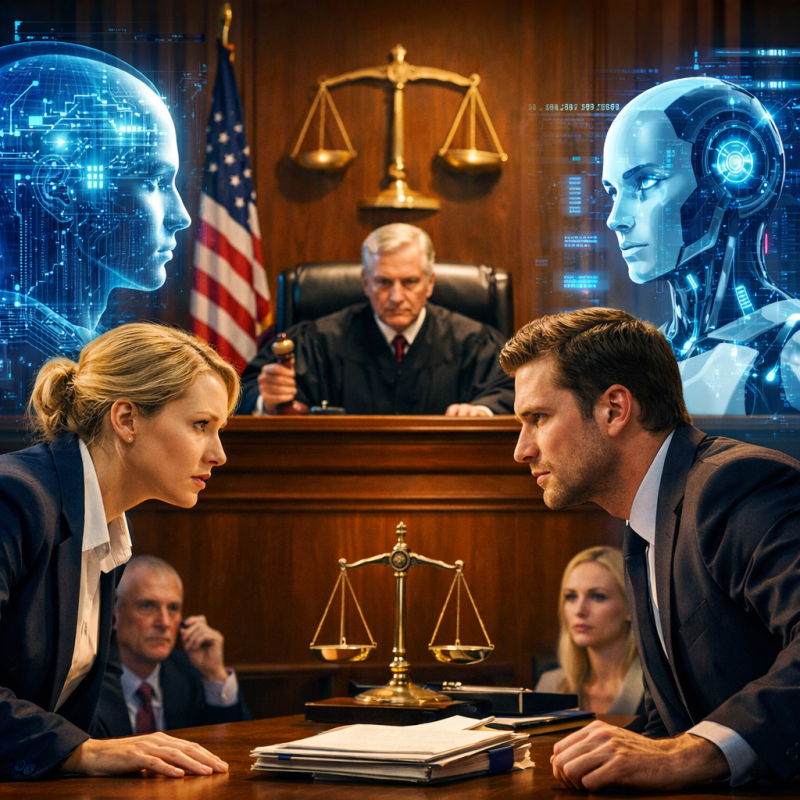
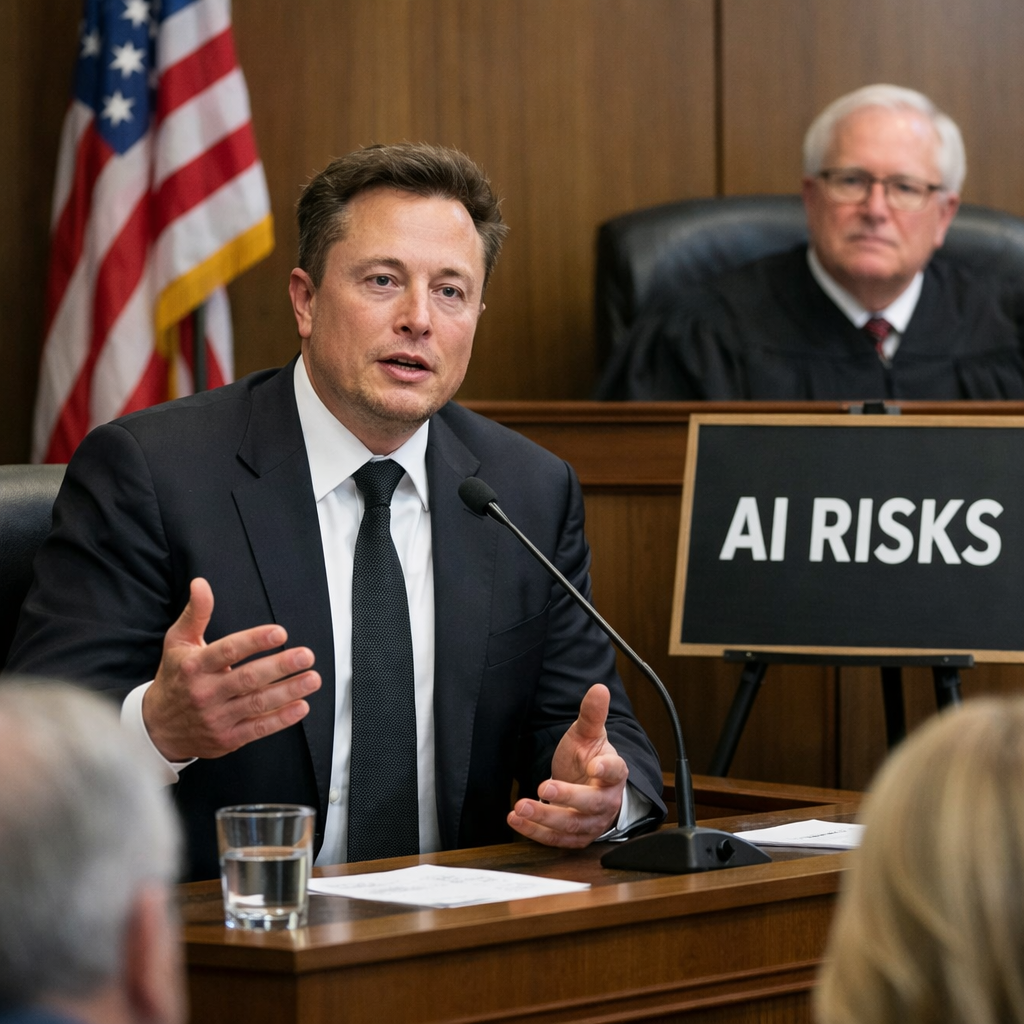
The ongoing Musk vs Altman trial has captured the attention of tech enthusiasts and legal professionals alike, as it delves into the complex intersection of AI innovation and ethical responsibility. At the heart of this legal battle are allegations that Elon Musk’s company, xAI, improperly used OpenAI’s models, raising significant questions about AI ethics and corporate responsibility.

This trial is not just a courtroom drama; it is a pivotal moment that could redefine the boundaries of AI development and ethical standards. According to reports, Musk has claimed that he was misled by OpenAI’s leadership, prompting him to take legal action. As the trial unfolds, it promises to shed light on the broader implications for AI regulation and corporate practices. Explore more on our blog for in-depth analysis on AI ethics and legal implications.

Background of the Musk vs Altman Trial

The legal battle between Elon Musk and OpenAI is rooted in a complex history of collaboration and competition. Initially, Musk was a significant supporter of OpenAI, a company he helped fund with the intention of advancing artificial intelligence safely. However, as OpenAI’s ambitions grew, tensions surfaced. Musk’s departure from the board marked the beginning of a contentious relationship, culminating in the current trial.

The trial centers around Musk’s allegations that OpenAI, under the leadership of Sam Altman and Greg Brockman, deceived him into investing while harboring intentions that diverged from Musk’s vision of safe AI development. This backdrop sets the stage for a legal confrontation that explores not only contractual disputes but also ethical dilemmas in technology.

Key Events Leading Up to the Trial

Several key events have paved the way to the courtroom. Musk’s allegations of being “duped” by OpenAI, combined with his admissions about xAI’s use of OpenAI’s models, have added layers of complexity to the case. Reports indicate that Musk’s calm demeanor under questioning contrasted with his stark warnings about AI’s existential threats.

Elon Musk’s AI Warnings and Their Implications

Elon Musk has long been vocal about the potential dangers of artificial intelligence, often warning that AI could pose existential risks to humanity. During the trial, Musk reiterated these concerns, highlighting the need for stringent regulations and ethical oversight in AI development.

Musk’s warnings have had a profound impact on public perception of AI. While some view his statements as alarmist, others see them as necessary reminders of the ethical considerations that must accompany technological advancement. This discourse influences not only the trial but also the broader conversation about AI regulation and safety.

Musk vs Altman Trial: Analyzing the Legal Battle and AI Ethics
Musk vs Altman Trial: Analyzing the Legal Battle and AI Ethics 9

xAI’s Use of OpenAI Models: Legal and Ethical Considerations

The crux of the legal argument against xAI revolves around the alleged misuse of OpenAI’s models. Musk admitted that xAI’s chatbot, Grok, utilizes OpenAI’s technology, raising questions about intellectual property and ethical use of AI models. This admission has placed xAI at the center of a debate on the legality and ethics of AI model training and usage.

Both parties have presented compelling legal arguments. OpenAI contends that xAI’s actions constitute a breach of intellectual property rights, while Musk’s defense emphasizes the collaborative nature of AI research and the necessity of shared development frameworks. These arguments underscore the trial’s importance in setting precedents for AI ethics and corporate practices.

Ethical Considerations in AI Model Training

The ethical dilemmas surrounding AI model training extend beyond legal boundaries. Experts argue that the trial highlights the need for clear guidelines on how AI models are developed and shared. The balance between innovation and ethical responsibility remains a contentious issue, with the trial serving as a pivotal case study.

Legal Arguments and Corporate Responsibility

The trial also raises questions about corporate responsibility in AI development. As companies like xAI continue to push the boundaries of AI, the ethical implications of their actions become increasingly significant. This trial could influence future corporate strategies, encouraging a more responsible approach to AI innovation.

Expert Opinions on AI Ethics and Corporate Responsibility

As the trial progresses, expert opinions on AI ethics have become increasingly relevant. Many AI ethics experts emphasize the importance of transparency and accountability in AI development. They argue that the trial could lead to the establishment of new ethical guidelines and industry standards.

The discussion on corporate responsibility is equally significant. Experts suggest that the trial could prompt companies to reassess their approaches to AI development, prioritizing ethical considerations alongside technological advancement. This shift could have long-lasting implications for the AI industry.

Musk vs Altman Trial: Analyzing the Legal Battle and AI Ethics
Musk vs Altman Trial: Analyzing the Legal Battle and AI Ethics 10

The Trial’s Impact on AI Innovation and Regulation

The outcome of the Musk vs Altman trial could have far-reaching implications for AI innovation and regulatory frameworks. If the court sides with OpenAI, it may set stricter standards for AI model usage, affecting how companies approach AI development. Conversely, a ruling in favor of Musk could promote a more collaborative approach to AI research.

Regardless of the outcome, the trial is likely to influence future AI regulations. Policymakers are closely monitoring the case, recognizing its potential to shape the legal landscape for AI. This trial serves as a reminder of the delicate balance between innovation and regulation in the rapidly evolving field of artificial intelligence.

Frequently Asked Questions

What are the main allegations in the Musk vs Altman trial?

The primary allegations involve Musk’s company, xAI, allegedly using OpenAI’s models without proper authorization, raising issues of intellectual property rights and ethical AI use.

How does Elon Musk view the risks associated with AI?

Elon Musk has consistently warned that AI poses existential risks to humanity, advocating for stringent regulations and ethical oversight in AI development.

What are the ethical concerns related to AI model usage?

The ethical concerns focus on transparency, accountability, and the fair use of AI models, highlighting the need for clear guidelines in AI development.

How might this trial affect future AI regulations?

The trial could set new precedents for AI regulations, influencing how companies develop and use AI models while balancing innovation with ethical responsibility.

Key Takeaways

  • The Musk vs Altman trial highlights the tension between AI innovation and ethical responsibility.
  • Elon Musk’s warnings about AI risks have significant implications for public perception and regulation.
  • The legal battle raises important questions about the ethical use of AI models.
  • The trial could shape future corporate strategies and regulatory approaches in AI development.


AI Art Revolution: How Artificial Intelligence is Transforming Creativity

AI Art

AI Art Revolution: How Artificial Intelligence is Transforming Creativity

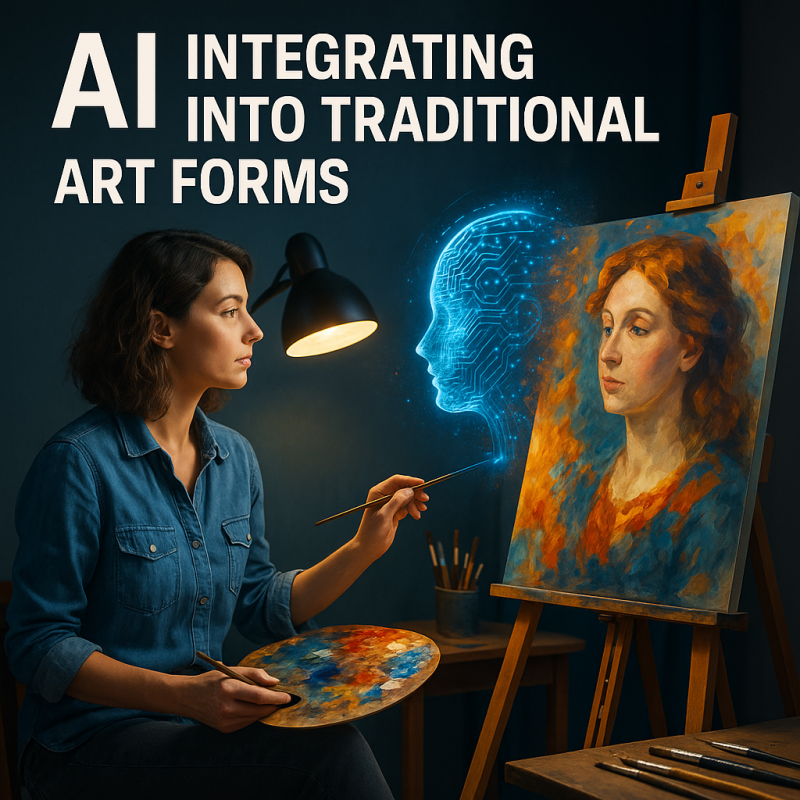
In recent years, the impact of modern AI software on art has triggered a profound transformation across the creative industries. What once seemed experimental is now becoming a core part of artistic production. Artificial intelligence is no longer just a tool; it is evolving into a creative partner that reshapes how art is conceived, produced, and experienced.

As AI technologies continue to advance, artists are exploring new methods of expression that blend human intuition with machine intelligence. This shift is not only expanding creative possibilities but also redefining the boundaries of authorship and originality in the digital age.

According to The Verge, AI-generated art sales have seen significant growth, reflecting increasing market acceptance and curiosity. This rise signals a broader cultural shift toward embracing AI as a legitimate medium in contemporary art.


Understanding the Role of AI in Art

AI in art is often misunderstood as simple automation. In reality, it represents an expansion of human creativity. By leveraging machine learning models, artists can explore patterns, forms, and visual structures that would be nearly impossible to generate manually.

These tools allow creators to iterate rapidly, test multiple visual directions, and discover unexpected outcomes. Instead of replacing artistic skill, AI enhances it by opening new conceptual and technical pathways.

In this sense, AI becomes a medium—similar to paint, photography, or digital software—but with a dynamic and evolving nature.


The Mechanics Behind AI Art

AI-generated art typically relies on neural networks trained on vast datasets of existing artworks. These systems analyze visual elements such as color, composition, texture, and style, learning how different artistic characteristics interact.

One of the most widely used approaches involves generative models, which can produce entirely new images based on learned patterns. These outputs are not copies, but reinterpretations—blending influences from thousands of sources into something unique.

This process introduces a new layer to creativity: instead of directly crafting every detail, the artist guides the system, curates results, and shapes the final output through selection and refinement.


Why AI’s Impact on Art Matters

The integration of AI into art is significant because it challenges long-standing assumptions about creativity. Traditionally, art has been defined by human intention and craftsmanship. With AI, this definition becomes more complex.

Who is the creator—the human who directs the system, or the algorithm that generates the result? This question does not have a simple answer, and it forces both artists and audiences to rethink the nature of artistic authorship.

At the same time, AI democratizes creation. Individuals without formal artistic training can now produce visually compelling works, lowering barriers to entry and expanding participation in the art world.


AI as a Creative Collaborator

Rather than replacing artists, AI functions as a collaborator. It introduces an interactive process where human creativity and machine intelligence continuously influence each other.

Artists can use AI to explore variations of a concept, generate unexpected compositions, or push their work beyond conventional limits. This collaborative dynamic often leads to outcomes that neither human nor machine could achieve independently.

In practice, the role of the artist shifts from direct creator to curator, director, and decision-maker—guiding the creative process rather than executing every detail manually.


Ethical Considerations

As AI becomes more integrated into artistic production, ethical concerns become increasingly important. One of the main issues is originality. Since AI models are trained on existing works, questions arise about whether generated content is truly original or a derivative of prior creations.

Ownership is another critical topic. Determining who holds the rights to AI-generated art—the developer, the user, or the dataset contributors—remains a complex legal and philosophical challenge.

There is also concern about the use of artists’ works without consent during training processes. As regulations evolve, transparency and fair use policies will become essential components of AI-driven creativity.


Potential Risks and Future Directions

Despite its advantages, AI in art presents several risks. Over-reliance on automated systems may lead to homogenization, where artworks begin to resemble each other due to shared datasets and algorithms.

There is also the possibility of diminishing traditional artistic skills if creators become too dependent on AI tools. Balancing innovation with craftsmanship will be crucial for maintaining artistic diversity.

Looking forward, the future of AI in art will likely involve deeper integration with other technologies such as virtual reality, augmented reality, and interactive media. This convergence will create immersive experiences that redefine how audiences engage with art.


Practical Recommendations for Artists

For artists seeking to integrate AI into their practice, a strategic approach is essential. Understanding both the strengths and limitations of AI tools will allow for more intentional and meaningful use.

  • Experiment with different AI platforms and models
  • Develop a clear artistic direction before using AI
  • Use AI as a support tool rather than a replacement
  • Continuously refine outputs through human judgment

Ultimately, the most impactful works will emerge from a balance between human creativity and technological capability.


Frequently Asked Questions

What is AI art?

AI art refers to artwork created or enhanced using artificial intelligence algorithms, often involving machine learning models.

How does AI art work?

It works by training neural networks on large datasets of existing artworks, enabling the system to generate new visual content.

Why is AI art important?

It expands creative possibilities and challenges traditional definitions of authorship and artistic expression.

What are the benefits of AI in art?

AI enables faster iteration, access to new styles, and the ability to create complex and innovative works.


Key Takeaways

  • AI significantly expands creative possibilities
  • It acts as a collaborator rather than a replacement
  • Ethical and ownership issues are still evolving
  • The future of art will be shaped by human–AI collaboration

The Rise of Tesla Cybercab Future: Transforming Transportation

tesla cybercab future thumbnail FA38182B

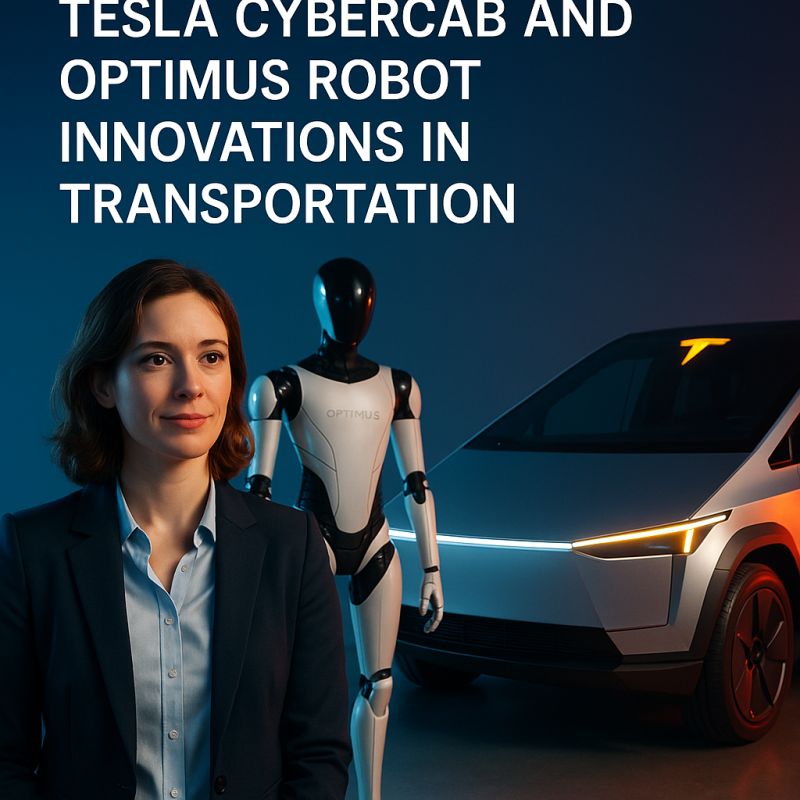
The Tesla Cybercab future is upon us, marking a pivotal shift in the automotive and robotics industries. With Tesla’s latest innovations, including the Cybercab and the Optimus Robot, the company is redefining the landscape of transportation and automation. This transition from traditional electric vehicles to futuristic technologies not only captures the imagination but also sets the stage for a revolutionary era in mobility.

Tesla has always been at the forefront of automotive innovation, but the introduction of the Cybercab signifies a bold new direction. According to a recent report from TechCrunch, the Cybercab is poised to replace models like the Tesla Model X and S, indicating a strategic pivot towards autonomous and shared mobility solutions. In this comprehensive guide, we will explore how Tesla’s vision for the Cybercab future is transforming transportation and what it means for the broader scope of robotics and AI.

The Evolution of Tesla: From EVs to the Cybercab

Tesla’s journey from its initial electric vehicles to the advent of the Cybercab has been nothing short of visionary. The company’s dedication to sustainability and innovation has led to the development of groundbreaking technologies that are setting new standards in the automotive sector.

What is the Tesla Cybercab?

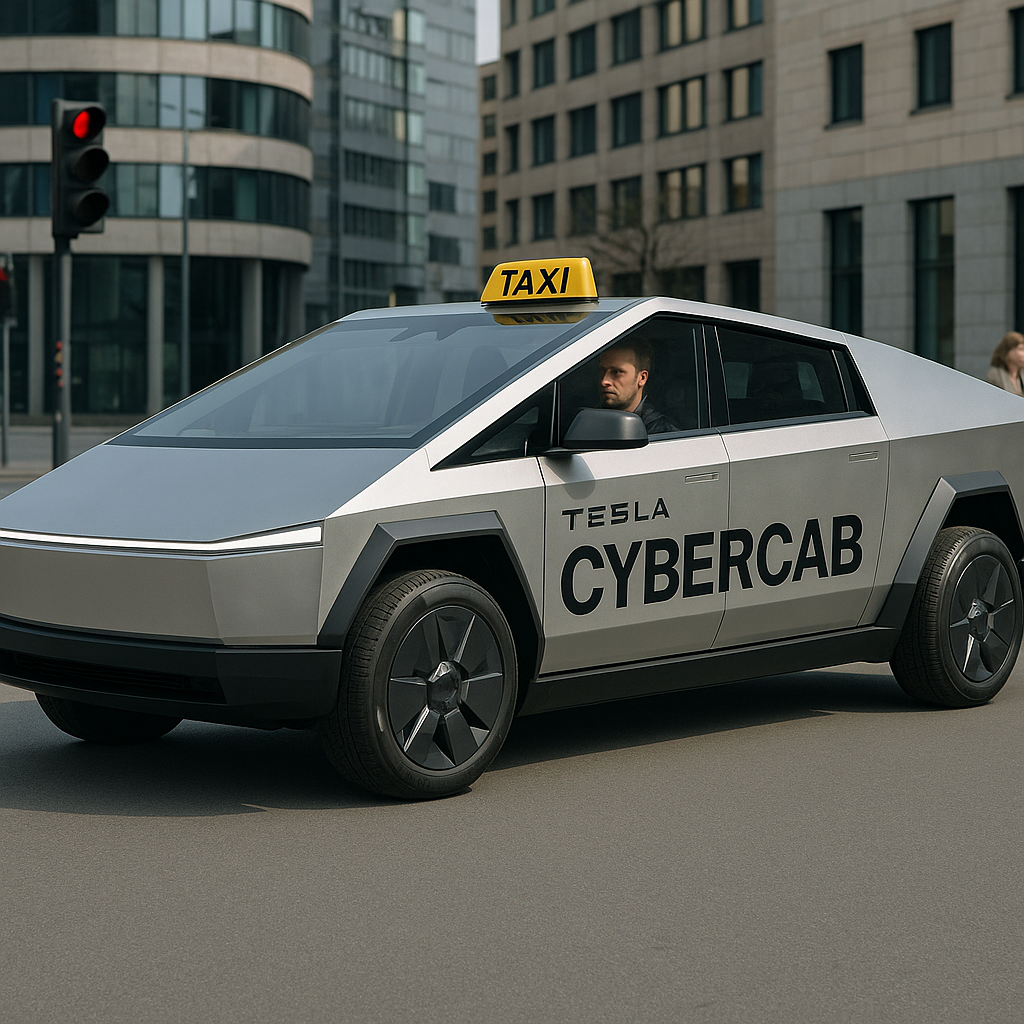
The Tesla Cybercab is an autonomous, electric vehicle designed for urban environments. It is part of a larger strategy to revolutionize public transportation by offering a sustainable, efficient, and convenient alternative to traditional cabs.

Why the Tesla Cybercab Future Matters

The introduction of the Cybercab is significant for several reasons. Firstly, it represents a major leap forward in autonomous driving technology. Tesla’s Full Self-Driving (FSD) capabilities are set to make the Cybercab not only a game-changer for urban mobility but also a precursor to a fully autonomous future. Furthermore, the Cybercab aligns with global sustainability goals by reducing carbon emissions and promoting electric mobility.

The Rise of Tesla Cybercab Future: Transforming Transportation
The Rise of Tesla Cybercab Future: Transforming Transportation 15

How Tesla Cybercab and Optimus Robot are Shaping the Future

As Tesla ventures into the realm of robotics with the Optimus Robot, the implications for the future are profound. The integration of robotics and AI into everyday life is becoming increasingly feasible, and Tesla is at the helm of this transformation.

The Role of Optimus Robot

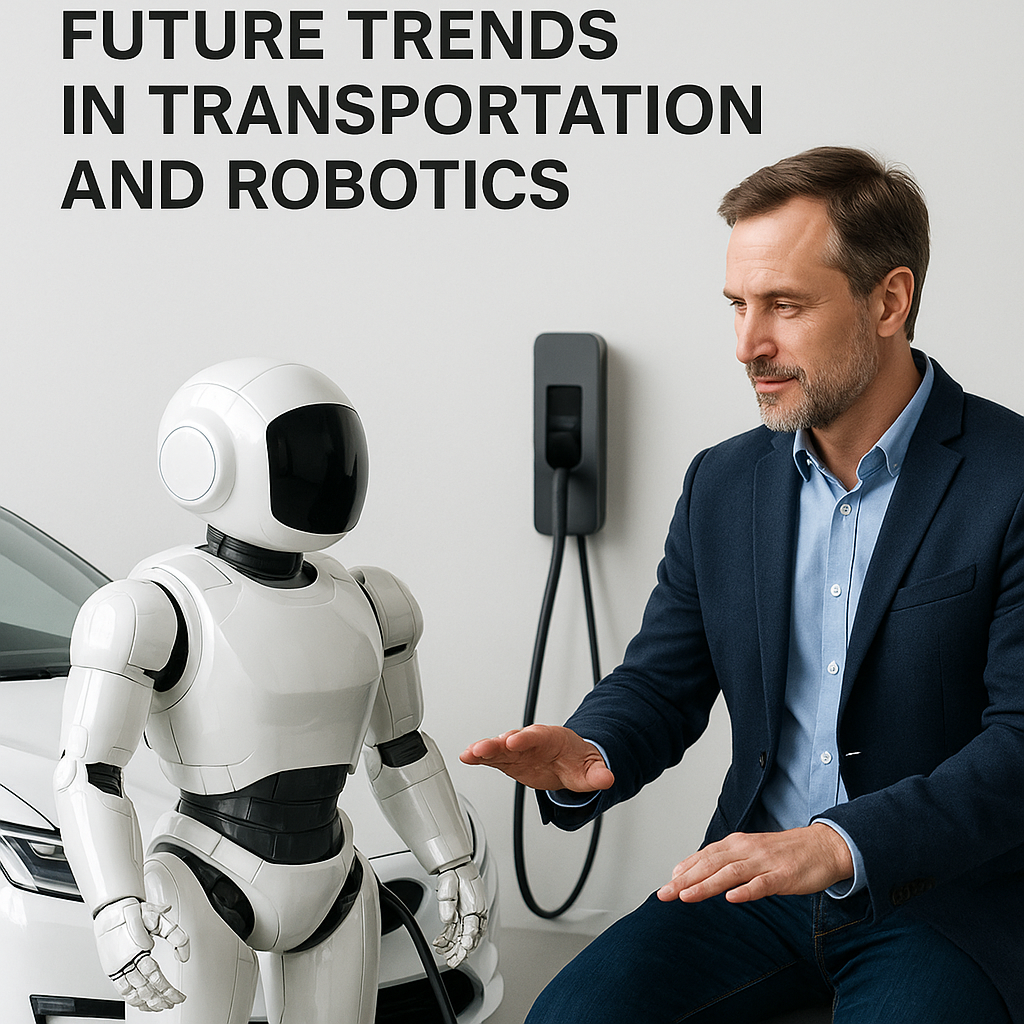
The Optimus Robot is designed to perform repetitive tasks, enhancing efficiency in both industrial and domestic settings. Its development highlights Tesla’s commitment to leveraging AI for practical applications, paving the way for a future where robots and humans coexist harmoniously.

Impacts on Urban Mobility

With the Cybercab, urban mobility is set to become more accessible and efficient. The autonomous nature of the Cybercab promises to reduce traffic congestion, lower transportation costs, and improve the overall quality of urban life.

Trends and Predictions for Tesla’s Future Innovations

Looking ahead, Tesla’s focus on the Cybercab and robotics is likely to influence broader industry trends. The shift towards shared and autonomous vehicles is expected to accelerate, with many automakers following Tesla’s lead.

In addition, the deployment of AI-driven robots in various sectors is anticipated to grow, driven by the demand for automation and efficiency. A Statista report projects that the global market for AI in robotics will reach $12.36 billion by 2023, underscoring the potential impact of Tesla’s innovations.

The Rise of Tesla Cybercab Future: Transforming Transportation
The Rise of Tesla Cybercab Future: Transforming Transportation 16

Expert Tips for Adapting to the Tesla Cybercab Future

As the Tesla Cybercab future becomes a reality, businesses and individuals alike must prepare for the changes it will bring. Here are some expert tips to navigate this new landscape:

Embrace Change and Innovation

Staying open to new technologies and adapting quickly will be crucial. Businesses should explore how autonomous vehicles and robotics can enhance their operations.

Invest in Learning and Development

Understanding the technologies driving these innovations is essential. Investing in education and training can provide a competitive edge.

Frequently Asked Questions

What is the Tesla Cybercab?

The Tesla Cybercab is an autonomous electric vehicle designed for urban transportation, promising efficiency and sustainability.

How does the Cybercab work?

Powered by Tesla’s Full Self-Driving technology, the Cybercab operates autonomously, offering a seamless and eco-friendly travel experience.

Why is the Tesla Cybercab future important?

It signifies a shift towards sustainable, autonomous urban mobility, reducing emissions and traffic congestion.

What are the benefits of Tesla’s innovations?

Tesla’s innovations enhance urban mobility, promote environmental sustainability, and pave the way for AI integration in daily life.

Key Takeaways

  • Pivotal Shift: Tesla’s transition to the Cybercab and robotics marks a new era in transportation.
  • Autonomous Future: The Cybercab embodies the potential of autonomous vehicles in urban settings.
  • AI Integration: Optimus Robot showcases the practical applications of AI and robotics.
  • Industry Influence: Tesla’s innovations set trends for the automotive and robotics industries.