
The ongoing Musk vs Altman trial has captured the attention of tech enthusiasts and legal professionals alike, as it delves into the complex intersection of AI innovation and ethical responsibility. At the heart of this legal battle are allegations that Elon Musk’s company, xAI, improperly used OpenAI’s models, raising significant questions about AI ethics and corporate responsibility.
This trial is not just a courtroom drama; it is a pivotal moment that could redefine the boundaries of AI development and ethical standards. According to reports, Musk has claimed that he was misled by OpenAI’s leadership, prompting him to take legal action. As the trial unfolds, it promises to shed light on the broader implications for AI regulation and corporate practices. Explore more on our blog for in-depth analysis on AI ethics and legal implications.
Background of the Musk vs Altman Trial
The legal battle between Elon Musk and OpenAI is rooted in a complex history of collaboration and competition. Initially, Musk was a significant supporter of OpenAI, a company he helped fund with the intention of advancing artificial intelligence safely. However, as OpenAI’s ambitions grew, tensions surfaced. Musk’s departure from the board marked the beginning of a contentious relationship, culminating in the current trial.
The trial centers around Musk’s allegations that OpenAI, under the leadership of Sam Altman and Greg Brockman, deceived him into investing while harboring intentions that diverged from Musk’s vision of safe AI development. This backdrop sets the stage for a legal confrontation that explores not only contractual disputes but also ethical dilemmas in technology.
Key Events Leading Up to the Trial
Several key events have paved the way to the courtroom. Musk’s allegations of being “duped” by OpenAI, combined with his admissions about xAI’s use of OpenAI’s models, have added layers of complexity to the case. Reports indicate that Musk’s calm demeanor under questioning contrasted with his stark warnings about AI’s existential threats.
Elon Musk’s AI Warnings and Their Implications
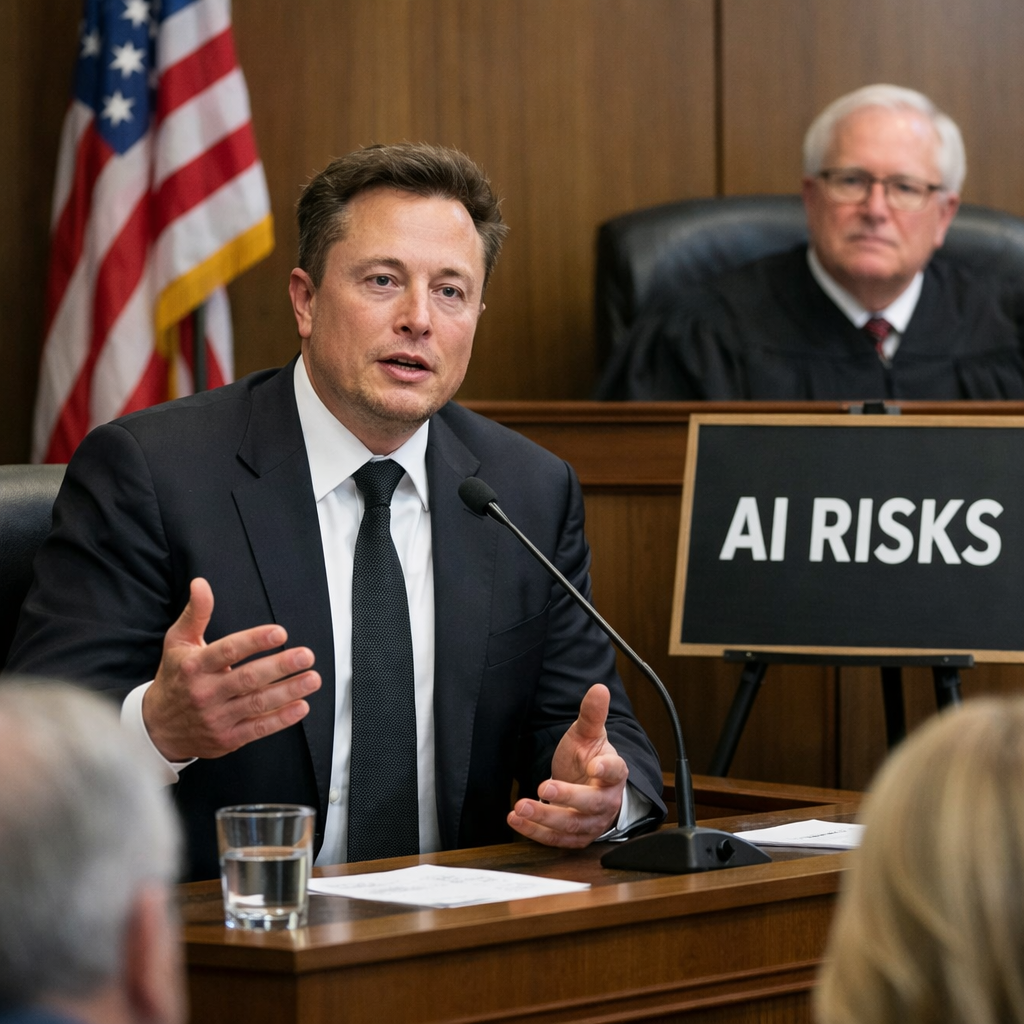
Elon Musk has long been vocal about the potential dangers of artificial intelligence, often warning that AI could pose existential risks to humanity. During the trial, Musk reiterated these concerns, highlighting the need for stringent regulations and ethical oversight in AI development.
Musk’s warnings have had a profound impact on public perception of AI. While some view his statements as alarmist, others see them as necessary reminders of the ethical considerations that must accompany technological advancement. This discourse influences not only the trial but also the broader conversation about AI regulation and safety.
xAI’s Use of OpenAI Models: Legal and Ethical Considerations
The crux of the legal argument against xAI revolves around the alleged misuse of OpenAI’s models. Musk admitted that xAI’s chatbot, Grok, utilizes OpenAI’s technology, raising questions about intellectual property and ethical use of AI models. This admission has placed xAI at the center of a debate on the legality and ethics of AI model training and usage.
Both parties have presented compelling legal arguments. OpenAI contends that xAI’s actions constitute a breach of intellectual property rights, while Musk’s defense emphasizes the collaborative nature of AI research and the necessity of shared development frameworks. These arguments underscore the trial’s importance in setting precedents for AI ethics and corporate practices.
Ethical Considerations in AI Model Training
The ethical dilemmas surrounding AI model training extend beyond legal boundaries. Experts argue that the trial highlights the need for clear guidelines on how AI models are developed and shared. The balance between innovation and ethical responsibility remains a contentious issue, with the trial serving as a pivotal case study.
Legal Arguments and Corporate Responsibility
The trial also raises questions about corporate responsibility in AI development. As companies like xAI continue to push the boundaries of AI, the ethical implications of their actions become increasingly significant. This trial could influence future corporate strategies, encouraging a more responsible approach to AI innovation.
Expert Opinions on AI Ethics and Corporate Responsibility
As the trial progresses, expert opinions on AI ethics have become increasingly relevant. Many AI ethics experts emphasize the importance of transparency and accountability in AI development. They argue that the trial could lead to the establishment of new ethical guidelines and industry standards.
The discussion on corporate responsibility is equally significant. Experts suggest that the trial could prompt companies to reassess their approaches to AI development, prioritizing ethical considerations alongside technological advancement. This shift could have long-lasting implications for the AI industry.
The Trial’s Impact on AI Innovation and Regulation
The outcome of the Musk vs Altman trial could have far-reaching implications for AI innovation and regulatory frameworks. If the court sides with OpenAI, it may set stricter standards for AI model usage, affecting how companies approach AI development. Conversely, a ruling in favor of Musk could promote a more collaborative approach to AI research.
Regardless of the outcome, the trial is likely to influence future AI regulations. Policymakers are closely monitoring the case, recognizing its potential to shape the legal landscape for AI. This trial serves as a reminder of the delicate balance between innovation and regulation in the rapidly evolving field of artificial intelligence.
Frequently Asked Questions
What are the main allegations in the Musk vs Altman trial?
The primary allegations involve Musk’s company, xAI, allegedly using OpenAI’s models without proper authorization, raising issues of intellectual property rights and ethical AI use.
How does Elon Musk view the risks associated with AI?
Elon Musk has consistently warned that AI poses existential risks to humanity, advocating for stringent regulations and ethical oversight in AI development.
What are the ethical concerns related to AI model usage?
The ethical concerns focus on transparency, accountability, and the fair use of AI models, highlighting the need for clear guidelines in AI development.
How might this trial affect future AI regulations?
The trial could set new precedents for AI regulations, influencing how companies develop and use AI models while balancing innovation with ethical responsibility.
Key Takeaways
- The Musk vs Altman trial highlights the tension between AI innovation and ethical responsibility.
- Elon Musk’s warnings about AI risks have significant implications for public perception and regulation.
- The legal battle raises important questions about the ethical use of AI models.
- The trial could shape future corporate strategies and regulatory approaches in AI development.