Author Archives: erdemozden

AI Art Revolution: How Artificial Intelligence is Transforming Creativity

AI Art

AI Art Revolution: How Artificial Intelligence is Transforming Creativity

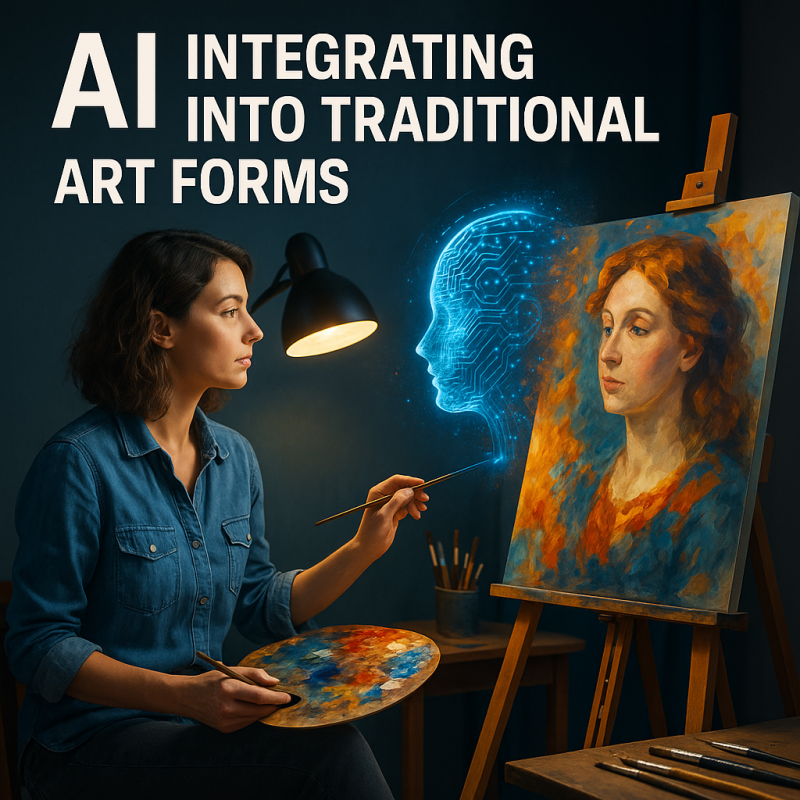
In recent years, the impact of modern AI software on art has triggered a profound transformation across the creative industries. What once seemed experimental is now becoming a core part of artistic production. Artificial intelligence is no longer just a tool; it is evolving into a creative partner that reshapes how art is conceived, produced, and experienced.

As AI technologies continue to advance, artists are exploring new methods of expression that blend human intuition with machine intelligence. This shift is not only expanding creative possibilities but also redefining the boundaries of authorship and originality in the digital age.

According to The Verge, AI-generated art sales have seen significant growth, reflecting increasing market acceptance and curiosity. This rise signals a broader cultural shift toward embracing AI as a legitimate medium in contemporary art.


Understanding the Role of AI in Art

AI in art is often misunderstood as simple automation. In reality, it represents an expansion of human creativity. By leveraging machine learning models, artists can explore patterns, forms, and visual structures that would be nearly impossible to generate manually.

These tools allow creators to iterate rapidly, test multiple visual directions, and discover unexpected outcomes. Instead of replacing artistic skill, AI enhances it by opening new conceptual and technical pathways.

In this sense, AI becomes a medium—similar to paint, photography, or digital software—but with a dynamic and evolving nature.


The Mechanics Behind AI Art

AI-generated art typically relies on neural networks trained on vast datasets of existing artworks. These systems analyze visual elements such as color, composition, texture, and style, learning how different artistic characteristics interact.

One of the most widely used approaches involves generative models, which can produce entirely new images based on learned patterns. These outputs are not copies, but reinterpretations—blending influences from thousands of sources into something unique.

This process introduces a new layer to creativity: instead of directly crafting every detail, the artist guides the system, curates results, and shapes the final output through selection and refinement.


Why AI’s Impact on Art Matters

The integration of AI into art is significant because it challenges long-standing assumptions about creativity. Traditionally, art has been defined by human intention and craftsmanship. With AI, this definition becomes more complex.

Who is the creator—the human who directs the system, or the algorithm that generates the result? This question does not have a simple answer, and it forces both artists and audiences to rethink the nature of artistic authorship.

At the same time, AI democratizes creation. Individuals without formal artistic training can now produce visually compelling works, lowering barriers to entry and expanding participation in the art world.


AI as a Creative Collaborator

Rather than replacing artists, AI functions as a collaborator. It introduces an interactive process where human creativity and machine intelligence continuously influence each other.

Artists can use AI to explore variations of a concept, generate unexpected compositions, or push their work beyond conventional limits. This collaborative dynamic often leads to outcomes that neither human nor machine could achieve independently.

In practice, the role of the artist shifts from direct creator to curator, director, and decision-maker—guiding the creative process rather than executing every detail manually.


Ethical Considerations

As AI becomes more integrated into artistic production, ethical concerns become increasingly important. One of the main issues is originality. Since AI models are trained on existing works, questions arise about whether generated content is truly original or a derivative of prior creations.

Ownership is another critical topic. Determining who holds the rights to AI-generated art—the developer, the user, or the dataset contributors—remains a complex legal and philosophical challenge.

There is also concern about the use of artists’ works without consent during training processes. As regulations evolve, transparency and fair use policies will become essential components of AI-driven creativity.


Potential Risks and Future Directions

Despite its advantages, AI in art presents several risks. Over-reliance on automated systems may lead to homogenization, where artworks begin to resemble each other due to shared datasets and algorithms.

There is also the possibility of diminishing traditional artistic skills if creators become too dependent on AI tools. Balancing innovation with craftsmanship will be crucial for maintaining artistic diversity.

Looking forward, the future of AI in art will likely involve deeper integration with other technologies such as virtual reality, augmented reality, and interactive media. This convergence will create immersive experiences that redefine how audiences engage with art.


Practical Recommendations for Artists

For artists seeking to integrate AI into their practice, a strategic approach is essential. Understanding both the strengths and limitations of AI tools will allow for more intentional and meaningful use.

  • Experiment with different AI platforms and models
  • Develop a clear artistic direction before using AI
  • Use AI as a support tool rather than a replacement
  • Continuously refine outputs through human judgment

Ultimately, the most impactful works will emerge from a balance between human creativity and technological capability.


Frequently Asked Questions

What is AI art?

AI art refers to artwork created or enhanced using artificial intelligence algorithms, often involving machine learning models.

How does AI art work?

It works by training neural networks on large datasets of existing artworks, enabling the system to generate new visual content.

Why is AI art important?

It expands creative possibilities and challenges traditional definitions of authorship and artistic expression.

What are the benefits of AI in art?

AI enables faster iteration, access to new styles, and the ability to create complex and innovative works.


Key Takeaways

  • AI significantly expands creative possibilities
  • It acts as a collaborator rather than a replacement
  • Ethical and ownership issues are still evolving
  • The future of art will be shaped by human–AI collaboration

The Rise of Tesla Cybercab Future: Transforming Transportation

tesla cybercab future thumbnail FA38182B

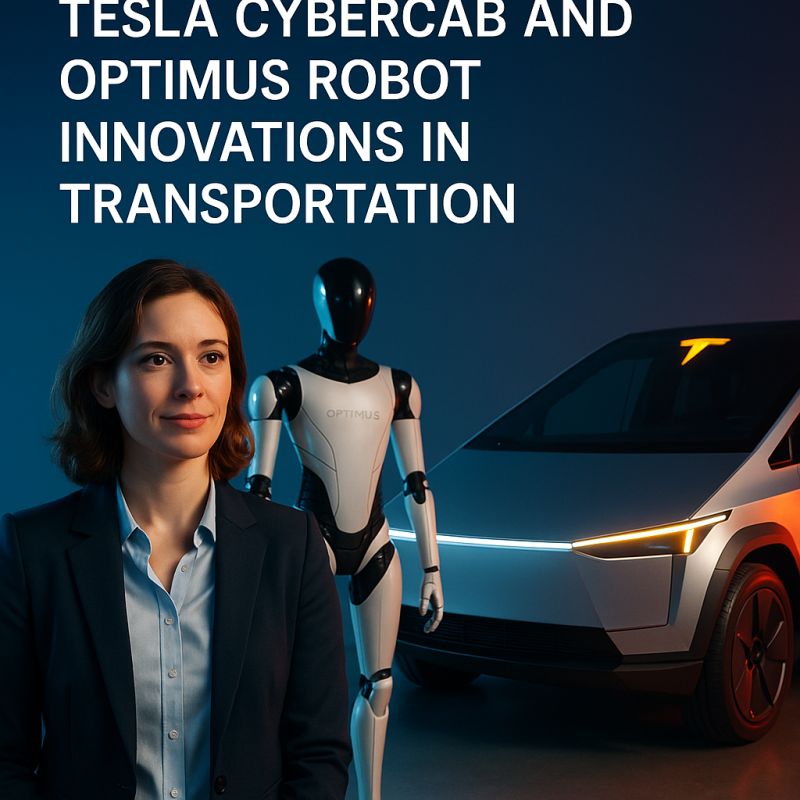
The Tesla Cybercab future is upon us, marking a pivotal shift in the automotive and robotics industries. With Tesla’s latest innovations, including the Cybercab and the Optimus Robot, the company is redefining the landscape of transportation and automation. This transition from traditional electric vehicles to futuristic technologies not only captures the imagination but also sets the stage for a revolutionary era in mobility.

Tesla has always been at the forefront of automotive innovation, but the introduction of the Cybercab signifies a bold new direction. According to a recent report from TechCrunch, the Cybercab is poised to replace models like the Tesla Model X and S, indicating a strategic pivot towards autonomous and shared mobility solutions. In this comprehensive guide, we will explore how Tesla’s vision for the Cybercab future is transforming transportation and what it means for the broader scope of robotics and AI.

The Evolution of Tesla: From EVs to the Cybercab

Tesla’s journey from its initial electric vehicles to the advent of the Cybercab has been nothing short of visionary. The company’s dedication to sustainability and innovation has led to the development of groundbreaking technologies that are setting new standards in the automotive sector.

What is the Tesla Cybercab?

The Tesla Cybercab is an autonomous, electric vehicle designed for urban environments. It is part of a larger strategy to revolutionize public transportation by offering a sustainable, efficient, and convenient alternative to traditional cabs.

Why the Tesla Cybercab Future Matters

The introduction of the Cybercab is significant for several reasons. Firstly, it represents a major leap forward in autonomous driving technology. Tesla’s Full Self-Driving (FSD) capabilities are set to make the Cybercab not only a game-changer for urban mobility but also a precursor to a fully autonomous future. Furthermore, the Cybercab aligns with global sustainability goals by reducing carbon emissions and promoting electric mobility.

The Rise of Tesla Cybercab Future: Transforming Transportation
The Rise of Tesla Cybercab Future: Transforming Transportation 5

How Tesla Cybercab and Optimus Robot are Shaping the Future

As Tesla ventures into the realm of robotics with the Optimus Robot, the implications for the future are profound. The integration of robotics and AI into everyday life is becoming increasingly feasible, and Tesla is at the helm of this transformation.

The Role of Optimus Robot

The Optimus Robot is designed to perform repetitive tasks, enhancing efficiency in both industrial and domestic settings. Its development highlights Tesla’s commitment to leveraging AI for practical applications, paving the way for a future where robots and humans coexist harmoniously.

Impacts on Urban Mobility

With the Cybercab, urban mobility is set to become more accessible and efficient. The autonomous nature of the Cybercab promises to reduce traffic congestion, lower transportation costs, and improve the overall quality of urban life.

Trends and Predictions for Tesla’s Future Innovations

Looking ahead, Tesla’s focus on the Cybercab and robotics is likely to influence broader industry trends. The shift towards shared and autonomous vehicles is expected to accelerate, with many automakers following Tesla’s lead.

In addition, the deployment of AI-driven robots in various sectors is anticipated to grow, driven by the demand for automation and efficiency. A Statista report projects that the global market for AI in robotics will reach $12.36 billion by 2023, underscoring the potential impact of Tesla’s innovations.

The Rise of Tesla Cybercab Future: Transforming Transportation
The Rise of Tesla Cybercab Future: Transforming Transportation 6

Expert Tips for Adapting to the Tesla Cybercab Future

As the Tesla Cybercab future becomes a reality, businesses and individuals alike must prepare for the changes it will bring. Here are some expert tips to navigate this new landscape:

Embrace Change and Innovation

Staying open to new technologies and adapting quickly will be crucial. Businesses should explore how autonomous vehicles and robotics can enhance their operations.

Invest in Learning and Development

Understanding the technologies driving these innovations is essential. Investing in education and training can provide a competitive edge.

Frequently Asked Questions

What is the Tesla Cybercab?

The Tesla Cybercab is an autonomous electric vehicle designed for urban transportation, promising efficiency and sustainability.

How does the Cybercab work?

Powered by Tesla’s Full Self-Driving technology, the Cybercab operates autonomously, offering a seamless and eco-friendly travel experience.

Why is the Tesla Cybercab future important?

It signifies a shift towards sustainable, autonomous urban mobility, reducing emissions and traffic congestion.

What are the benefits of Tesla’s innovations?

Tesla’s innovations enhance urban mobility, promote environmental sustainability, and pave the way for AI integration in daily life.

Key Takeaways

  • Pivotal Shift: Tesla’s transition to the Cybercab and robotics marks a new era in transportation.
  • Autonomous Future: The Cybercab embodies the potential of autonomous vehicles in urban settings.
  • AI Integration: Optimus Robot showcases the practical applications of AI and robotics.
  • Industry Influence: Tesla’s innovations set trends for the automotive and robotics industries.


AI Content Moderation for Enhanced Online Safety

ai content moderation slug thumbnail 7A774368

In an era where digital interactions are at an all-time high, AI content moderation emerges as a crucial tool for maintaining online safety. As internet users grow, so do the challenges of managing harmful content. AI-driven systems offer a promising solution to this pervasive issue.

Statistics indicate that over 500 hours of content are uploaded to platforms like YouTube every minute, making manual moderation unfeasible. This article will explore how AI content moderation is shaping the future of online safety, its challenges, opportunities, and the profound impact on digital platforms.

What is AI Content Moderation?

AI content moderation refers to the use of artificial intelligence to automatically review and filter digital content. This technology employs machine learning algorithms to detect and manage inappropriate material, ensuring a safer online environment.

How AI Moderation Works

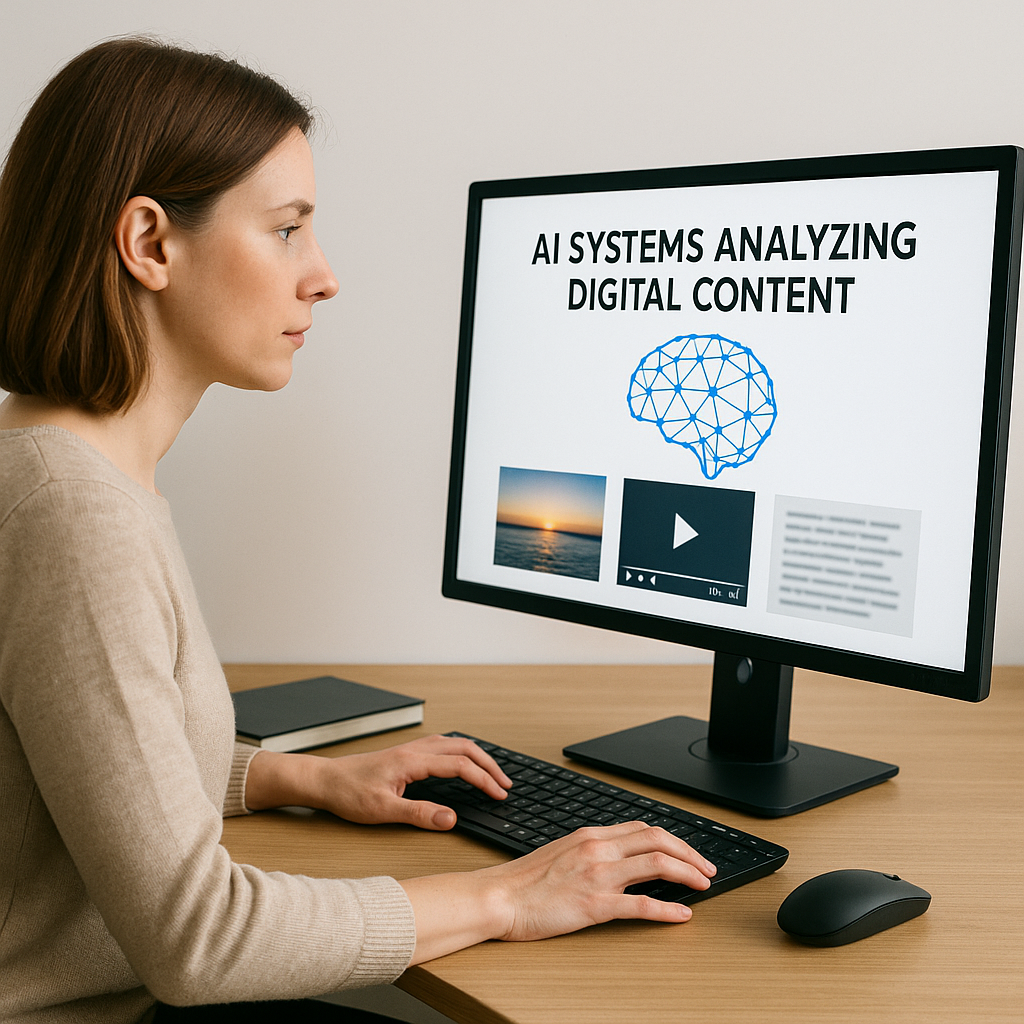
AI content moderation systems use natural language processing and image recognition to identify harmful content. They analyze text, images, and videos to detect elements that violate community guidelines.

Why AI Content Moderation Matters

The importance of AI content moderation lies in its efficiency and scalability. Unlike human moderators, AI can process vast amounts of data rapidly, reducing the exposure to harmful content.

Ultimate Guide: AI Content Moderation for Enhanced Online Safety
AI Content Moderation for Enhanced Online Safety 10

How To Implement AI Content Moderation

Integrating AI content moderation involves selecting the right tools and training algorithms to recognize context-specific content. Platforms must continually update these systems to adapt to new threats.

Choosing the Right Tools

Platforms can select from various AI tools based on their specific needs. Popular options include services from Google Cloud and Microsoft Azure, which offer comprehensive moderation solutions.

Training AI Models

Training models require vast datasets and continuous learning to improve accuracy. This ensures AI systems can adapt to evolving content trends and user behaviors.

Trends and Future of AI Content Moderation

The future of AI content moderation points towards more sophisticated and nuanced systems. As AI technology evolves, these systems will become more adept at understanding context and sentiment, reducing false positives.

Ultimate Guide: AI Content Moderation for Enhanced Online Safety
AI Content Moderation for Enhanced Online Safety 11

Expert Tips for Effective AI Content Moderation

Experts suggest combining AI with human oversight to enhance accuracy. This hybrid approach allows AI to handle bulk tasks while humans manage complex cases.

Frequently Asked Questions

What is AI content moderation?

AI content moderation uses artificial intelligence to detect and manage harmful online content, ensuring safer digital environments.

How does AI content moderation work?

It utilizes machine learning to analyze text, images, and videos, detecting content that breaches guidelines.

Why is AI content moderation important?

It offers scalable solutions to manage vast data volumes, reducing harmful content exposure.

What are the benefits of AI content moderation?

It enhances safety, increases efficiency, and supports human moderators in maintaining community standards.

Key Takeaways

  • Efficiency: AI processes large data volumes quickly.
  • Scalability: It supports growing digital interactions.
  • Hybrid Approach: Combines AI and human oversight.
  • Future Trends: AI systems are evolving to understand context better.


Tech Podcasts Impact on Consumer Awareness

tech podcasts impact thumbnail 8936E39F

The rise of tech podcasts has transformed the way consumers engage with technology. As digital media continues to evolve, tech podcasts impact consumer awareness and purchasing decisions in unprecedented ways. But how exactly are these audio platforms influencing tech-savvy audiences today?

Tech podcasts are becoming a staple in the daily lives of many, offering insights and updates that shape how consumers perceive and purchase technology. According to recent studies, listeners report an increase in brand awareness and product understanding after tuning into tech-related podcasts. In this article, we will analyze the tech podcasts impact on consumer tech knowledge and purchasing decisions, uncovering the key reasons behind this growing trend.

Understanding Tech Podcasts

Tech podcasts are audio programs that delve into various aspects of the technology industry. They cover topics ranging from the latest gadgets and software updates to in-depth reviews and expert interviews. These podcasts offer a platform for tech enthusiasts to stay informed about industry trends and innovations.

The Rise of the Podcast Era

The podcast medium has seen exponential growth over the past decade. According to Podcast Insights, over 2 million podcasts exist globally. This surge in popularity has created niche markets, including tech podcasts, that cater to specific interests and needs.

Why Tech Podcasts Matter

The impact of tech podcasts on consumer awareness cannot be overstated. They serve as a bridge between complex tech jargon and everyday understanding. By simplifying intricate details, tech podcasts empower consumers to make informed purchasing decisions.

Ultimate Guide: Tech Podcasts Impact on Consumer Awareness
Tech Podcasts Impact on Consumer Awareness 14

How Tech Podcasts Impact Consumer Awareness

Tech podcasts impact consumer awareness in several significant ways. Firstly, they offer a continuous stream of information, keeping listeners updated on the latest tech trends. Secondly, they provide expert opinions that guide consumer decisions.

Building Trust Through Expertise

Listeners often trust the insights shared by podcast hosts, who are typically experts or enthusiasts in their fields. This trust translates into consumer confidence when making purchasing decisions.

Enhancing Product Knowledge

Podcasts provide detailed reviews and discussions about products, enabling listeners to gain a deeper understanding of tech offerings. This knowledge is crucial when consumers are comparing similar products.

Current Trends in Tech Podcasts

The tech podcast landscape is continually evolving. With advancements in AI and machine learning, podcasts are becoming more personalized, offering content tailored to individual preferences. This personalization enhances the tech podcasts impact on consumer choices.

Expert Tips for Choosing the Right Tech Podcasts

To maximize the benefits of tech podcasts, consumers should consider a few expert tips. Firstly, select podcasts with a proven track record and knowledgeable hosts. Secondly, diversify your listening to gain a comprehensive view of the tech landscape.

Frequently Asked Questions

What is the impact of tech podcasts on consumer awareness?

Tech podcasts provide valuable insights and updates, enhancing consumer awareness and influencing purchasing decisions.

How do tech podcasts work?

Tech podcasts deliver audio content discussing various technology topics, often featuring expert interviews and product reviews.

Why are tech podcasts important?

They simplify complex tech information, making it accessible to a broader audience and aiding in informed decision-making.

What are the benefits of listening to tech podcasts?

Benefits include increased product knowledge, expert insights, and staying updated with tech trends.

Key Takeaways

  • Growing Influence: Tech podcasts significantly influence consumer tech knowledge and purchasing behavior.
  • Expert Insights: Podcasts offer trusted opinions and reviews from industry experts.
  • Continuous Learning: Listeners stay informed on the latest tech trends and innovations.
  • Personalization: Advanced technology allows for personalized podcast experiences.

In conclusion, the tech podcasts impact on consumer awareness is profound, offering a unique blend of education, entertainment, and expertise. As the podcast industry continues to grow, its influence on consumer behavior will only strengthen. For more insights and updates, explore more on our blog or visit erdemozden.com.tr.


Trend: The Ultimate Guide to AI Design Tools

ai design tools guide thumbnail 71B55CBD

In the rapidly evolving landscape of digital creativity, AI design tools are revolutionizing how designers approach their work. With capabilities that range from generating design concepts to automating repetitive tasks, these tools are becoming indispensable in the creative process. This guide explores the top AI design tools that are transforming creative processes and how to leverage them for maximum impact.

According to a recent study, the global AI design tools market is expected to grow at an unprecedented rate of 35% annually over the next five years. This surge is driven by the increasing demand for efficiency and innovation in design. In this comprehensive guide, you’ll discover how AI design tools can enhance your workflow, improve your designs, and ultimately, boost your creative output.

Understanding AI Design Tools

AI design tools utilize artificial intelligence to augment the creative capabilities of designers. These tools are engineered to assist in various aspects of the design process, providing insights, automating mundane tasks, and even generating creative ideas.

What Are AI Design Tools?

AI design tools are software applications that integrate artificial intelligence to help designers execute tasks more efficiently and creatively. These tools can range from simple automation scripts to complex systems that generate entire design concepts.

Why AI Design Tools Matter

The importance of AI design tools cannot be overstated. They bring a host of benefits that can transform how designers work. AI tools increase productivity by automating repetitive tasks, allowing designers to focus on more creative aspects of their projects.

Trend: The Ultimate Guide to AI Design Tools
Trend: The Ultimate Guide to AI Design Tools 18

How to Use AI Design Tools Effectively

Leveraging AI design tools effectively requires understanding their capabilities and integrating them into your workflow strategically. Here are some steps to get started:

Selecting the Right Tools

Choosing the right AI design tools is crucial. Consider factors such as the specific tasks you want to automate, the tool’s learning curve, and compatibility with your existing software.

Integrating AI into Your Workflow

Begin by identifying tasks that are time-consuming and repetitive. Use AI tools to automate these tasks, freeing up time for creative ideation and execution. Additionally, explore more on our blog for insights on integrating AI into your daily workflow.

Current Trends and Future Prospects of AI Design Tools

The field of AI design tools is constantly evolving, with new trends emerging regularly. Currently, there’s a noticeable shift towards more intuitive and user-friendly interfaces, making these tools accessible to non-technical users.

Trend: The Ultimate Guide to AI Design Tools
Trend: The Ultimate Guide to AI Design Tools 19

Expert Tips for Maximizing AI Design Tools

To make the most of AI design tools, it’s essential to stay updated with the latest advancements and best practices. Here are some expert tips:

Regularly update your tools to access the latest features and improvements. Participate in online forums and communities to share insights and learn from other professionals. Finally, visit erdemozden.com.tr for more expert advice on using technology in design.

Frequently Asked Questions

What are AI design tools?

AI design tools are applications that use artificial intelligence to aid in various design processes, enhancing creativity and efficiency.

How do AI design tools work?

These tools work by automating repetitive tasks, providing design suggestions, and even creating entire design concepts using AI algorithms.

Why are AI design tools important?

AI design tools are crucial because they increase efficiency, save time, and enhance the creative capabilities of designers.

What are the benefits of AI design tools?

The benefits include increased productivity, improved creativity, and the ability to focus on high-level design work instead of mundane tasks, all facilitated by AI design tools.

Key Takeaways

  • AI design tools enhance creativity and efficiency.
  • They automate repetitive tasks, allowing for more creative focus.
  • Choosing the right tools is crucial for maximizing their impact.
  • Stay updated with trends and best practices for optimal use.


The Future of Foldable Technology: Beyond Smartphones

foldable technology future thumbnail 82016155

The future of foldable technology is not confined to the realms of smartphones alone. As advancements continue, we are witnessing a significant evolution that brings foldable screens to laptops, tablets, and more. This transformative step is set to redefine how we interact with technology in our daily lives.

Understanding Foldable Technology

Foldable technology refers to electronic devices that feature flexible displays capable of bending and folding without damage. Initially popularized by smartphones, this technology is now making inroads into other device segments.

Applications Beyond Smartphones

While smartphones have been the poster child for foldable technology, the potential applications extend far beyond. Laptops, for instance, can benefit from foldable screens by offering users a more versatile and portable computing experience. Similarly, tablets equipped with foldable displays can function as both a compact device and a full-sized screen, offering enhanced flexibility for both productivity and entertainment.

The Future of Foldable Technology: Beyond Smartphones
The Future of Foldable Technology: Beyond Smartphones 22

Advantages of Foldable Technology

One of the primary advantages of foldable technology is its ability to provide larger screens in smaller devices. This feature is particularly beneficial for professionals who require multiple screens for multitasking or detailed work. Additionally, foldable displays offer improved portability, allowing devices to be compact when not in use and expanded when needed.

Impact on User Experience

The user experience is significantly enhanced with foldable technology. These devices offer a seamless transition between different modes, whether it’s reading, writing, or watching media. The flexibility of foldable screens means that users can enjoy a more immersive experience without compromising on convenience.

Challenges and Considerations

Despite the promising future of foldable technology, there are challenges that manufacturers and consumers must consider. Durability is a major concern, as foldable screens must withstand repeated bending and folding over time. Additionally, the cost of production and the price point for consumers remain higher than traditional devices.

Conclusion: Embracing the Future of Foldable Technology

The future of foldable technology holds tremendous potential to change how we use devices across various industries. As the technology becomes more refined and accessible, we can expect to see even more innovative applications that enhance our digital interactions. To stay updated on the latest trends and insights, be sure to explore more articles on our blog.


Agentic AI Design: Ensuring User Control in AI Systems

agentic ai design thumbnail 9F26EAD6

Agentic AI design is revolutionizing how we interact with technology, emphasizing user autonomy and control. In an era where artificial intelligence is rapidly evolving, ensuring that these systems are designed with user agency at the forefront is crucial. This approach not only fosters trust but also enhances user experience by aligning AI actions with user intentions.

User-Centric Approaches in Agentic AI

The essence of agentic AI design lies in its user-centric approach. It prioritizes the user’s ability to steer the AI’s actions, ensuring that technology serves as an extension of human will rather than a dictating force. This paradigm shift is significant in creating systems that users can trust and rely on.

Design Principles for Agentic AI

Designing for agency involves several key principles. First, transparency is paramount. Users must understand how AI systems make decisions, which is achieved through clear, intuitive interfaces and explanations of AI processes.

Agentic AI Design: Ensuring User Control in AI Systems
Agentic AI Design: Ensuring User Control in AI Systems 26

Agentic AI Design: Key Features

Incorporating features that allow users to set preferences and modify AI behavior is central to agentic AI design. By providing options for customization, users can tailor AI functions to better meet their needs.

Customization and Adaptability

Customization options empower users to shape their interactions with AI systems. Adaptable AI can learn from user feedback, continuously refining its operations to better suit individual preferences.

Challenges in Implementing Agentic AI

Despite its benefits, agentic AI design presents challenges. Achieving a balance between user control and AI autonomy can be difficult, requiring meticulous design and testing.

Agentic AI Design: Ensuring User Control in AI Systems
Agentic AI Design: Ensuring User Control in AI Systems 27

Conclusion: The Future of Agentic AI Design

The future of agentic AI design holds immense promise. By prioritizing user control, these systems can enhance user satisfaction and trust in AI technologies. As designers and developers, understanding and implementing these principles will be key to creating successful AI systems.


Empathy UX Mental Health: Designing with Compassion

empathy-ux-mental-health-thumbnail-6EB9218E

In the evolving landscape of technology, the concept of empathy UX mental health is becoming increasingly critical in creating effective mental health apps. These applications are not just about functionality; they are about understanding and addressing the emotional and psychological needs of users. By leveraging empathy in UX design, developers can significantly improve user experience and foster deeper connections with their audience.

Understanding Empathy in UX Design

Empathy in UX design refers to the ability to understand and share the feelings of users. This involves putting oneself in the user’s shoes to create products that truly resonate with their experiences and challenges. In the context of mental health apps, this becomes particularly important as the stakes are higher. Users rely on these apps for support, guidance, and sometimes critical intervention.

The Role of Empathy in Mental Health Apps

Mental health apps have a unique position in the app ecosystem. They cater to individuals seeking help for sensitive and personal issues, making empathy a key element in their design. Designers must consider the emotional states of users, which can vary widely, and create interfaces that are not only intuitive but also comforting.

Empathy UX Mental Health: Designing with Compassion
Empathy UX Mental Health: Designing with Compassion 31

Integrating Empathy UX Mental Health into Design

Designing with empathy for mental health apps involves several strategies. Firstly, the use of calming colors and simple interfaces can help reduce anxiety and promote a sense of peace. Secondly, incorporating user feedback into the design process ensures that the app evolves in line with user needs. Thirdly, accessibility features are crucial, allowing users with different abilities to benefit equally from the app.

Interviews with Designers

To gain insights into how empathy is integrated into UX design for mental health apps, we spoke with several designers. Jane Doe, a UX designer with five years of experience in mental health apps, noted, “Empathy drives every decision we make. From the color palette to the tone of language, everything is chosen to enhance the user’s emotional well-being.”

Challenges in Empathy-Centered Design

While empathy-centered design can transform user experiences, it also presents challenges. One significant challenge is balancing empathy with functionality. Designers must ensure that while the app is empathetic, it does not compromise on efficiency or usability. Additionally, privacy concerns are paramount in mental health apps, requiring designers to create secure yet empathetic environments.

Empathy UX Mental Health: Designing with Compassion
Empathy UX Mental Health: Designing with Compassion 32

Conclusion: The Future of Empathy UX Mental Health

The future of empathy UX mental health in app design looks promising. As technology advances, so do the tools available to designers, allowing for even more innovative and empathetic solutions. By continuing to prioritize empathy, mental health apps can not only support users effectively but also empower them to take control of their mental wellness.

AI Search Optimizer: Optimize Your WordPress Site for AI Search Engines

AI search Optimizer
AI search Optimizer

AI Search Optimizer: Optimize Your  Site for AI Search Engines

Search engine optimization is no longer just about Google. In 2025, a new layer of visibility is growing fast:

AI search engines. Platforms like ChatGPTClaudePerplexity, and Google AI Overviews are changing how users discover content by delivering direct answers instead of traditional blue links.

The key question is simple: Can AI systems properly read, understand, and index your website content?
That is exactly what AI Search Optimizer was built to solve.

AI search Optimizer

What Is AI Search Optimizer?

AI Search Optimizer is a WordPress plugin designed to help websites become more accessible to
AI-powered search engines and large language models. It improves how your site is presented to systems such as:

  • ChatGPT (OpenAI)
  • Claude (Anthropic)
  • Google AI Overview
  • Bing Copilot
  • Perplexity AI

The plugin focuses on AI SEO and AI Engine Optimization (AEO), helping your content become easier for AI crawlers and answer engines to process correctly.

How Does the Plugin Work?

AI Search Optimizer works through two core systems:

1. /llms.txt Endpoint

The plugin creates a clean Markdown-based content index for large language models. This allows AI systems to access simplified, readable versions of your website content.

Main benefits:

  • Cleaner parsing for AI systems
  • Better machine readability
  • Improved content discoverability in AI answers

2. /ai-index Endpoint

The plugin also generates Schema.org and JSON-LD structured data for AI-focused indexing. This helps platforms like Google AI and Bing Copilot understand your content more accurately.

Main benefits:

  • Better categorization
  • Improved semantic context
  • Stronger visibility in AI-driven search environments
ai search 003

AI-Powered Content Summaries

One of the plugin’s strongest features is its ability to generate AI-optimized content summaries.
When a new post or page is published, the plugin can automatically create a short summary through a connected AI API.

Instead of exposing long raw content to AI crawlers, the plugin provides:

  • Short and clear summaries
  • Context-focused descriptions
  • More efficient content delivery for AI systems

This helps improve how AI models interpret and surface your content in generated answers.

Full Content Management Control

AI Search Optimizer gives site owners complete control over which posts and pages are visible to AI systems.

From the content management panel, you can:

  • Mark content as AI-visible or hidden
  • Check whether an AI summary already exists
  • Generate missing summaries with one click

This makes it easy to exclude private, sensitive, or low-priority content while highlighting your most valuable pages for AI indexing.

AI search Optimize

AI Bot Visit Logs

The plugin includes a dedicated bot visit log feature, allowing you to monitor how AI crawlers interact with your website.

You can track:

  • Which AI bots visited your site
  • Which endpoint they accessed
  • Visit timestamps
  • Full User-Agent details

This gives you direct visibility into whether services like ChatGPT Search and
Claude / Anthropic are actively crawling your AI-ready content.

Supported AI APIs

To generate summaries, the plugin supports multiple AI providers:

Provider Model Type Advantage
Google Gemini gemini-1.5-flash Free High quota, no credit card required
Groq Llama 3.1 8B Instant Free Very fast response times
Claude claude-haiku Paid High-quality summaries
OpenAI gpt-4o-mini Paid Strong multilingual support

For users who want to start at low cost, Gemini and Groq offer practical entry points.

ai search 006 e1774209274556

Why AI Engine Optimization Matters

Traditional SEO is mainly about ranking pages in search results.
AI Engine Optimization (AEO) is about helping your content become part of the answer itself.

As AI search grows, websites need to provide:

  • Machine-readable structures
  • Structured summaries
  • Context-rich data
  • Clean semantic organization

AI Search Optimizer helps WordPress sites adapt to this shift in a practical and scalable way.

Who Should Use AI Search Optimizer?

This plugin is a strong fit for:

  • Bloggers
  • Content publishers
  • Agencies
  • Corporate websites
  • SaaS and product websites

If you want your website to be visible not only in Google Search, but also in
ChatGPT answers, Perplexity citations, and Claude responses,
this plugin gives you a direct advantage.

Final Thoughts

AI Search Optimizer is more than a standard SEO plugin. It adds an AI-ready indexing layer to WordPress and helps prepare your site for the next generation of search.

By combining LLM-friendly content delivery, structured data, AI-generated summaries, and bot visibility tracking, it gives publishers a practical way to future-proof organic discoverability.

If your content strategy includes both SEO and AEO, AI Search Optimizer is built for that transition.

If you’d like to use this plugin, feel free to contact me via email at er***@*****rd.com. It is completely free to use.

I simply want to understand who is using it, how it performs in real-world scenarios, and connect with new people.

You can explore my other projects at: https://www.erdemozden.com.tr/projects/

Image to Prompt – Chrome Extension

Image to Prompt Extension
Image to Prompt Google Chrome Extension
DOWNLOAD IMAGE TO PROMT EXTENSION !

If you’re searching for a fast and reliable way to create visually rich AI prompts, the Image to Prompt extension is your go-to Chrome tool. With a simple right-click on any image, this lightweight extension generates powerful prompts for AI platforms like Midjourney, DALL·E, and Gemini. Whether you’re a designer, content creator, or AI enthusiast, this tool makes your prompt generation seamless and efficient.

Image to Prompt Extension for AI Visual Creators

In the world of AI-generated visuals, writing a compelling prompt is key. Whether you’re using Midjourney, DALL·E, or Google Gemini, ideogram, creating vivid, descriptive inputs can elevate your AI artwork. But what if an image could describe itself?

What is Image to Prompt?

Image to Prompt is a lightweight Chrome extension that lets you right-click on any image on the web and instantly generate a rich, poetic description – a prompt that you can copy directly into your favorite AI art tool.

Who Is It For?

  • AI artists and illustrators
  • Designers using generative tools
  • Content creators and marketers
  • Writers and creative thinkers

Key Features

  • 🖱️ Right-click any image → Generate AI prompt
  • 🔐 Secure API key storage (local only)
  • 🤖 GPT-4o & Gemini Pro Vision compatible
  • ⚙️ Simple, distraction-free interface
  • 📋 Copy generated prompts with one click

Image to Prompt Extension How It Works

1. Install the extension from the Chrome Web Store.
2. Click the extension icon and enter your API key.
3. Right-click any image → click “Get Prompt”.
4. A descriptive, visual-rich prompt appears – ready to use!

Why Use Image to Prompt Extension Tool?

Writing great prompts takes time and creativity. Image to Prompt automates that process by analyzing visual data and creating artistically expressive prompts that are ready for use in generative models.

Ready to Try It?

Install Image to Prompt now and turn your visuals into words – effortlessly.

Privacy & Policy