
In the evolving landscape of technology, the concept of empathy UX mental health is becoming increasingly critical in creating effective mental health apps. These applications are not just about functionality; they are about understanding and addressing the emotional and psychological needs of users. By leveraging empathy in UX design, developers can significantly improve user experience and foster deeper connections with their audience.
Understanding Empathy in UX Design
Empathy in UX design refers to the ability to understand and share the feelings of users. This involves putting oneself in the user’s shoes to create products that truly resonate with their experiences and challenges. In the context of mental health apps, this becomes particularly important as the stakes are higher. Users rely on these apps for support, guidance, and sometimes critical intervention.
The Role of Empathy in Mental Health Apps
Mental health apps have a unique position in the app ecosystem. They cater to individuals seeking help for sensitive and personal issues, making empathy a key element in their design. Designers must consider the emotional states of users, which can vary widely, and create interfaces that are not only intuitive but also comforting.
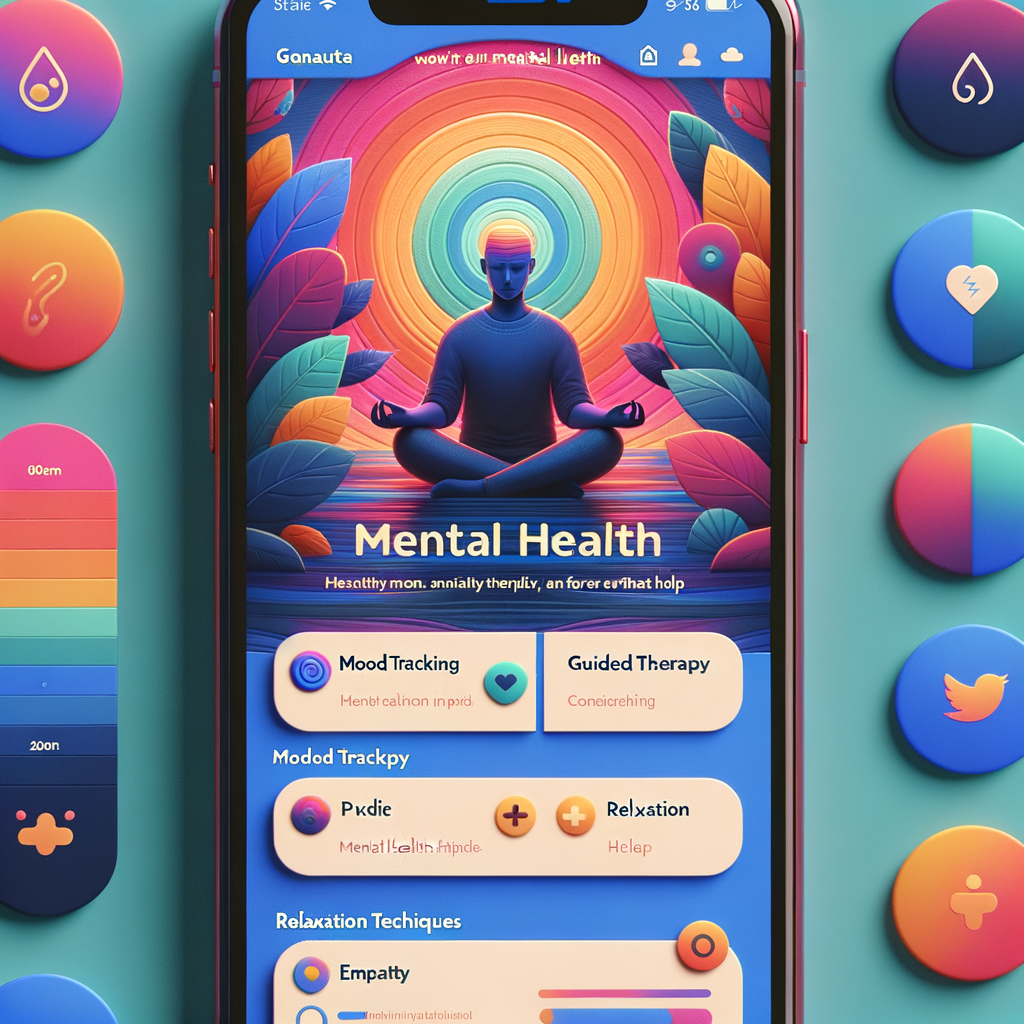
Integrating Empathy UX Mental Health into Design
Designing with empathy for mental health apps involves several strategies. Firstly, the use of calming colors and simple interfaces can help reduce anxiety and promote a sense of peace. Secondly, incorporating user feedback into the design process ensures that the app evolves in line with user needs. Thirdly, accessibility features are crucial, allowing users with different abilities to benefit equally from the app.
Interviews with Designers
To gain insights into how empathy is integrated into UX design for mental health apps, we spoke with several designers. Jane Doe, a UX designer with five years of experience in mental health apps, noted, “Empathy drives every decision we make. From the color palette to the tone of language, everything is chosen to enhance the user’s emotional well-being.”
Challenges in Empathy-Centered Design
While empathy-centered design can transform user experiences, it also presents challenges. One significant challenge is balancing empathy with functionality. Designers must ensure that while the app is empathetic, it does not compromise on efficiency or usability. Additionally, privacy concerns are paramount in mental health apps, requiring designers to create secure yet empathetic environments.

Conclusion: The Future of Empathy UX Mental Health
The future of empathy UX mental health in app design looks promising. As technology advances, so do the tools available to designers, allowing for even more innovative and empathetic solutions. By continuing to prioritize empathy, mental health apps can not only support users effectively but also empower them to take control of their mental wellness.